Introducing Manuscript: An Editor Beside You As You Write
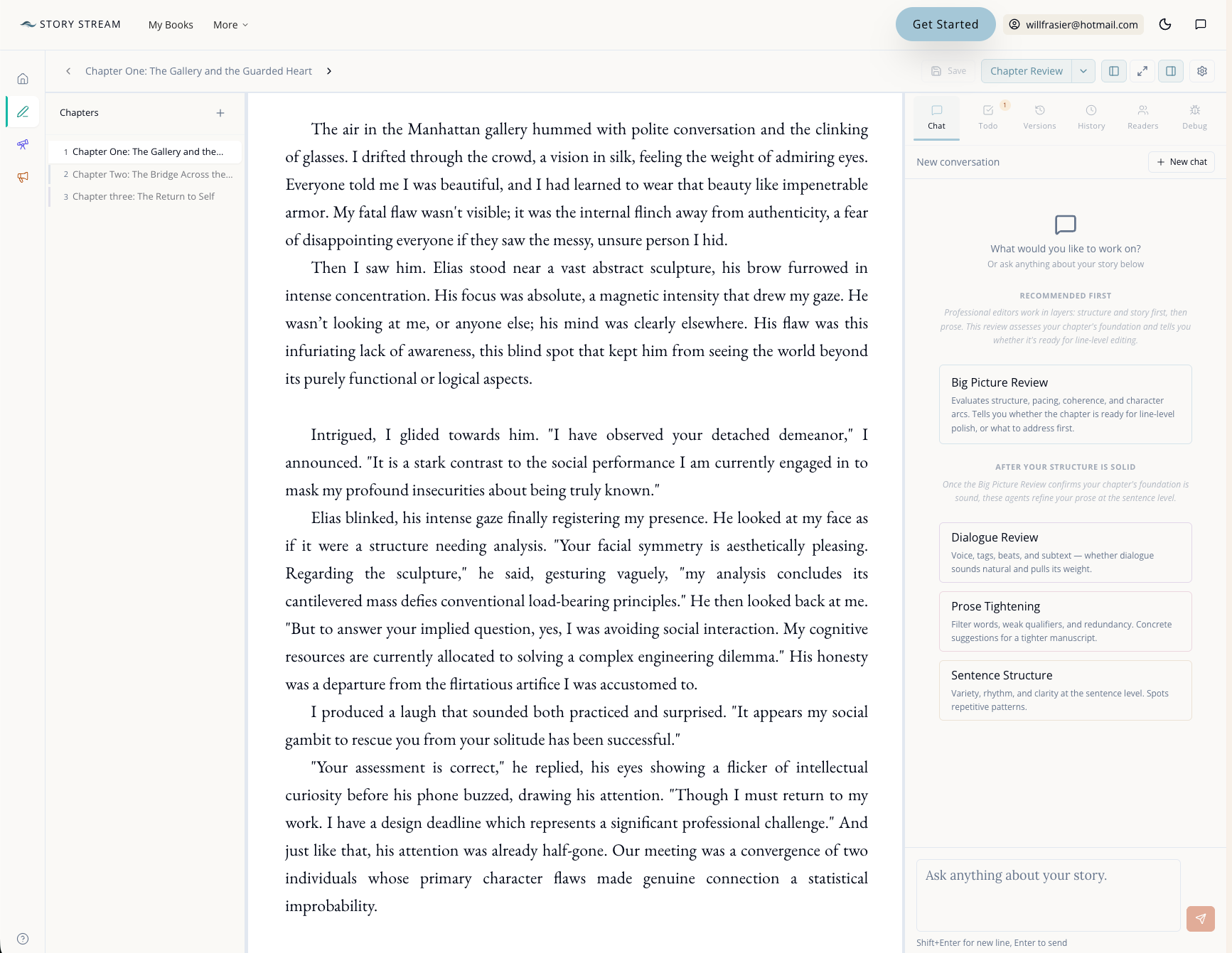
I am proud to announce that today we are releasing Manuscript, the biggest thing we have built since Story Stream launched. Manuscript puts a developmental editor beside you on the page, with chapter reviews, craft reviews, beta readers, a writing coach, voice read-aloud, and a revision checklist, all grounded in the same deep story understanding that powers our Editorial Reports.
For the last six months I have been writing my own novel in Manuscript. When I finish a chapter, I turn around and get a real review, from an editor that already knows my whole story. It tells me the things I actually need to hear. My pacing is dragging in the middle. My leads have no chemistry. The payoff that comes later needs to be set up now. It is the closest thing I have ever had to a veteran editor sitting next to me while I write.
If you have ever wanted professional editorial feedback in the flow of writing, not weeks after the draft is finished, this is for you. Let me walk you through what Manuscript does.
An Editor Beside You, While You Write
Manuscript is a focused, in-browser writing and editing environment for your novel. You draft on a clean page, navigate by chapter, and bring Story Stream into the page whenever you want a second opinion. It edits with you. It never writes for you.
The feature set is built around one idea: you should not have to wait until a draft is finished to understand how your story is working. Manuscript gives you chapter and scene reviews, focused craft passes, a panel of AI beta readers, a writing coach that asks before it advises, and a voice read-aloud that lets you hear your book as a reader would. A revision checklist keeps every note organized so nothing important slips between drafts.
Why the Feedback Is So Good: The Story Graph
The reason our editorial feedback is so specific is that Story Stream builds a custom model of your story underneath the surface. Before you ever ask for a review, our deep story understanding engine has mapped your characters, their relationships, your plot threads, events, and themes into a living graph of your novel.
When Manuscript gives you feedback on a scene, it is not reading that scene in isolation the way a chatbot would. It knows where you are in the book, who is on the page, and what that moment means for everything around it. We understand the novel the way you do, from the inside out.
That story graph is also what makes the feedback cheap to run. Because Manuscript already understands the full novel, we can give you a real editorial review on a single paragraph in seconds, at a fraction of the cost of a fresh pass over the whole book.
Chapter Reviews
Finish a chapter and get clear feedback on what is landing and what still needs work. We already know where you are in the story, where you are headed, who is who, and what each beat means in the larger book, so the review is grounded in your novel, not in a generic template.
Each review returns structured developmental feedback: what is working, what is not, and a suggested revision path you can take into the next pass. No more finishing a chapter in a fog and waiting three weeks for an editor to read it.
Craft Reviews
When you want to focus on one craft dimension, run a targeted review. Dialogue, pacing, plot coherence, sentence-level craft, and filler words are all available as one-click passes grounded in the same deep story engine. Every review knows your novel, so the feedback is specific to the scene and the characters on the page, not generic advice.
Use craft reviews when you already know the kind of feedback you want. They are also the fastest way to clear a stubborn chapter because they let you ask the exact question you have.
Writing Coach
The writing coach does not just name the problem. It asks what you intended, then offers several revision paths that fit your book, world, chapter, and scene. From any piece of scene-review feedback, you can open a coaching dialogue and work through the problem with an editor that knows the manuscript.
Coaching is built for learning, not telling. The first question is usually about what you are trying to achieve, and the paths offered are written for the world and characters of your novel, not for a generic example. Skip the questions whenever you want suggestions first.
Beta Readers
Get a review of your chapter from a panel of sixteen custom beta reader agents. Three persona groups: craft lenses, publisher and industry, and diverse voices. First readers, sensitivity readers, acquisitions perspective, and other readers you would normally have to round up yourself, all reacting in parallel.
Each reader gives scored, prioritized feedback in natural language. Story Stream's editorial voice runs alongside reader reactions in a two-voice model. Beta readers answer how it lands for readers. The editor answers what the craft needs. High-signal items can be turned into revision checklist to-dos with one click.
Voice
Hear your book read aloud by the very best voice models available, including ElevenLabs and Google. Read-aloud is one of the fastest ways to catch awkward rhythm, flat dialogue, and small proofing gaps your eyes skip over. It is also just a great way to step back from the page and experience your novel as a reader would.
Use it for a single paragraph when you suspect a line is flat, or for a full chapter when you want to check the read of a section. Voice joins the rest of the writing surface as another way to feel whether your story is working.
Revision Checklist
Turn chapter feedback and editorial report notes into tracked work items, so nothing important slips between drafts. The revision checklist is the to-do list that turns editorial notes into work you can actually finish.
Once you have a list of to-dos, you can keep working inside Manuscript with everything in one place. Item by item, the notes become a clean revision path. The chaos of revision goes away, and the work becomes a series of small, manageable steps.
Pricing We're Proud Of
We are writers and editors too, and our goal is to make Story Stream as affordable as it is useful. It is also why we do not do subscriptions. Manuscript is pay for what you use.
If you just use Story Stream to write your novel, it is free. When you use the review features, we pick the very best model for the cheapest price, and every writer gets $10 in free credits to try the Manuscript editing features on their own chapters. After that, you can top up as you go, or turn on auto top-up so you never have to think about it. And if you pause writing for a month or a year, you pay nothing. Your balance is there when you come back.
The Developmental Editor remains $99 for First Edition and $199 for Masterpiece, which we believe is a great value for the level of detail and insight you get. As part of this release we are also retiring the free Blueprint tier for new manuscripts; the Editor now focuses on First Edition and Masterpiece, the two full reports authors already trust.
Try Manuscript Today
Manuscript is rolling out to all Story Stream writers over the next few days. If you have a manuscript in your account, you will see Manuscript appear in your book home. If you do not yet, start writing free and bring your novel in.
This release exists because of our beta testers, who pushed on every rough edge, and the engineers and product managers who poured the last six months into it. Thank you. If you have questions, feedback, or ideas, we would love to hear from you at info@storystreameditor.com. And if you want to understand the bigger story behind all of this, our founding essay lays out where we are headed.
More from the Blog

The Villain as Narrator: Why the Best Antagonists Stop Being "Evil" and Start Being Right
A deep dive into why modern villains like Amy Dunne aren't defined by evil, but by logic. Explore how the most compelling antagonists become terrifying when they start making sense.
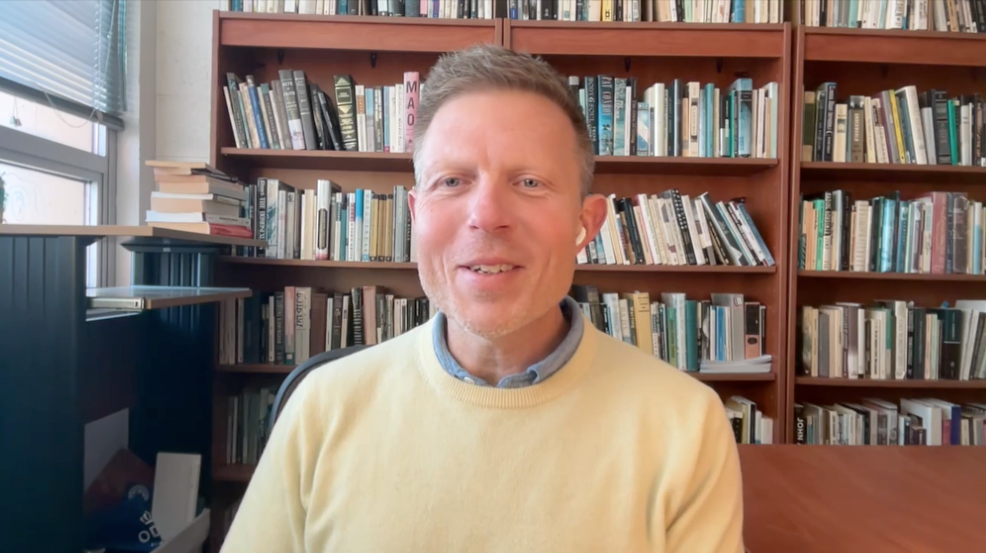
Interview with John McManus: AI, Storytelling, and the Future of Creative Writing
Acclaimed Southern Gothic writer and Whiting Award winner John McManus shares his optimistic vision for the future of storytelling. From democratizing creative tools to the emergence of new narrative forms, discover why artists have nothing to fear from AI.
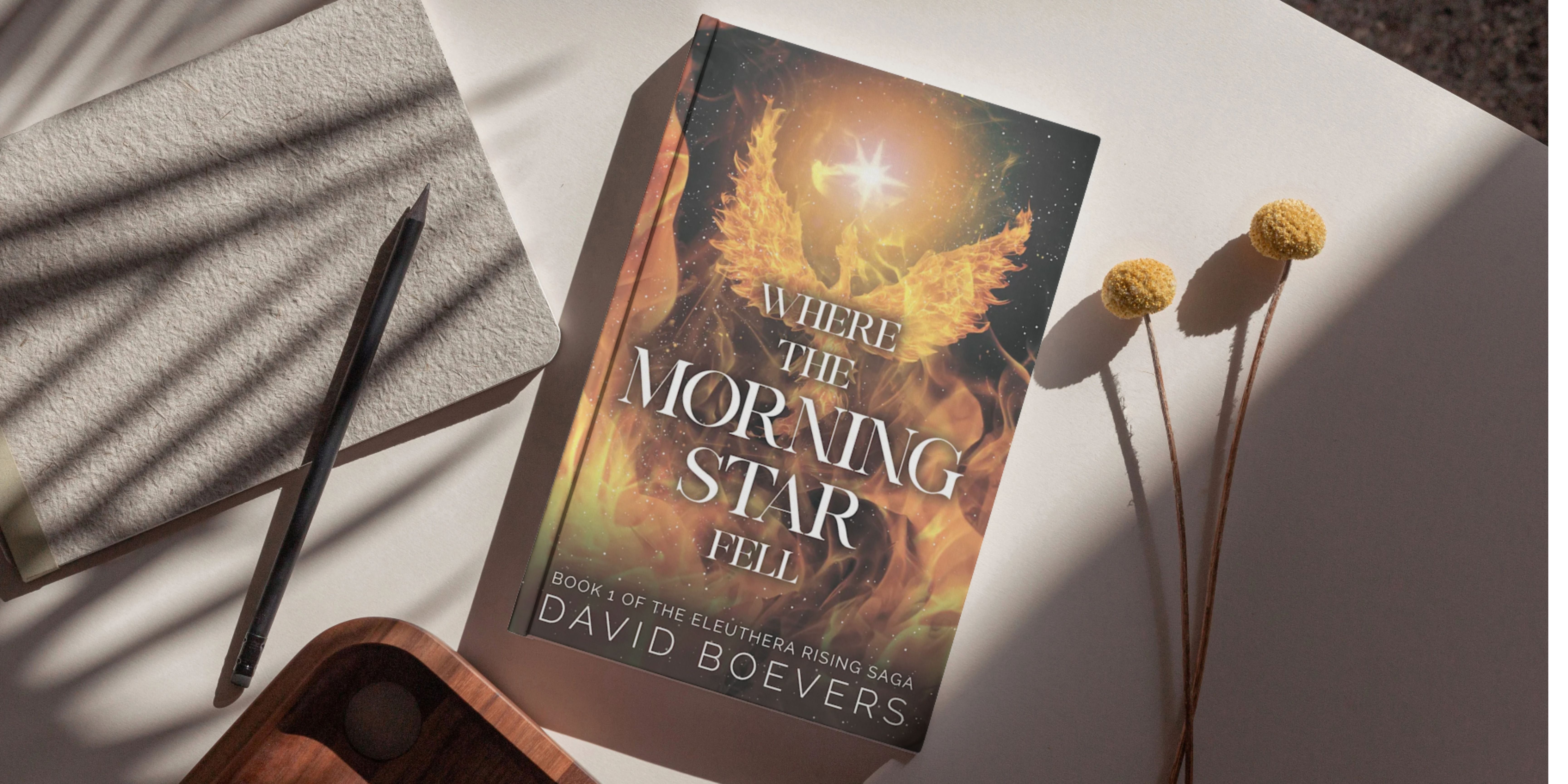
Interview with David Boevers, Author of Where the Morning Star Fell
Sci-fi author and educator David Boevers shares how Story Stream helps him revise with precision, purpose, and limited writing time. Discover his process, his Eleuthera universe, and how the Chapter Analyzer keeps his revisions on track.

7 Myths About First Drafts That Are Holding You Back
Let go of perfectionism and embrace the messy truth of first drafts. Discover the 7 common myths that keep writers stuck—and the truths that set you free to create boldly, imperfectly, and authentically.

Meet Jessica James: A Story Stream Success Story
Award-winning author Jessica James shares how Story Stream helped her deepen a dual-era historical mystery, uncover fresh ideas, and return to her creative rhythm.

Tension to Twist: Writing Thrillers That Stay With Readers
Build suspense that lingers after the last page with tension, atmosphere, and grounded stakes your readers can feel.