The Shadow That Shapes the Light: Writing Unforgettable Villains

From myths to modern blockbusters, one truth remains: a hero is only as strong as the villain they face. Katniss had President Snow. Luke had Vader. T'Challa had Killmonger.
These aren’t just enemies to be defeated. They’re the shadows that give the hero shape, the tension that keeps us turning pages, the reminder that light only matters when darkness presses against it.
In our earlier blog, we unpacked what makes a great protagonist. Now let’s flip the script and dive into their antithesis—the force that sharpens, tempts, and terrifies: the villain.
What Does It Mean for a Villain to Work?
An antagonist isn’t just there to block the hero. A strong villain moves the story. They escalate tension, force choices, and reveal what really matters.
A villain who works:
- Creates pressure the protagonist can't ignore
- Has clear, believable motivations, even if they're twisted
- Shapes the direction of the story through action, not just presence
- Contrasts or reflects the protagonist’s values
A villain who falls flat:
- Appears too late to matter
- Feels like a cliché without unique traits
- Exists only to “be evil” without logic or personal stakes
- Can be removed without changing the story
When done right, villains aren’t one-note. They’re chillingly real.
Types of Antagonists
Not all villains look alike. Here are four archetypes that prove it:
The Mastermind
Strategic, brilliant, and terrifying in intellect. Think of Cersei Lannister in Game of Thrones, whose calculated cruelty and political cunning make her as dangerous with words as any weapon.
The Fallen Hero
A warning of what the protagonist could become. Harvey Dent in The Dark Knight shifts from Gotham’s symbol of hope to an agent of vengeance and chaos.
The Force of Nature
Impersonal but unstoppable. The Tethered in Us embody the shadows we try to bury—relentless and impossible to reason with.
The Intimate Betrayal
The knife in the back from someone trusted. Iago in Othello devastates because his manipulation comes from within the circle of trust.
Crafting a Villain Who Shapes the Story
A strong antagonist isn’t defined by what they are, but by what they do. To craft one who truly drives the narrative, keep these principles in mind:
- Give them a clear drive that challenges your story’s core truth.
- Make them present—even offstage, their influence should be felt.
- Build them as mirrors for the protagonist’s fears, flaws, or potential.
- Let them wound deeply, not just physically but emotionally.
- Anchor them in theme so they pressure the story’s central question.
- Test their necessity. If the plot still works without them, sharpen again.
How Story Stream Helps
Once you’ve built your villain on the page, it can be hard to know if they’re doing enough heavy lifting in the story. Are they truly shaping the plot, or just standing in the way?
That’s where Story Stream’s Antagonist Analysis comes in. It evaluates whether your villain is a meaningful narrative force or just a placeholder.
You’ll see:
- Strengths like clear motivation, credible threat, and effective contrast
- Suggestions about where they could gain depth, presence, or psychological weight
Example feedback might read: “Hernandez Rodriguez’s calm authority during the negotiation scene injects urgency and raises the stakes. Consider adding an earlier glimpse of his influence to build anticipation and presence across the story.”
This balance of celebration and challenge helps you sharpen villains into characters who linger.
Beyond Villains: Other Layers of Conflict
Your antagonist doesn’t exist in isolation. Their power is magnified through complementary feedback layers inside Story Stream:
- Emotional Impact Analysis – Does their presence wound, tempt, or terrify your protagonist in ways that matter?
- Dialogue Analysis – Does their voice feel sharp, distinct, and unforgettable each time they speak?
Together, these tools ensure your villain isn’t just menacing, but alive in every scene.
Conclusion: The Shadow That Shapes the Light
A hero is measured not by their victories, but by the darkness they overcome. A villain isn’t just an obstacle. They are the antithesis that defines the light.
That’s why we built the Antagonist Analysis: to ensure your villain terrifies, tempts, and transforms your protagonist while keeping readers hooked.
The truth is, villains never see themselves as villains. They fight for their own version of justice. That conviction is what makes them unforgettable—and what makes the hero's triumph matter.
More from the Blog
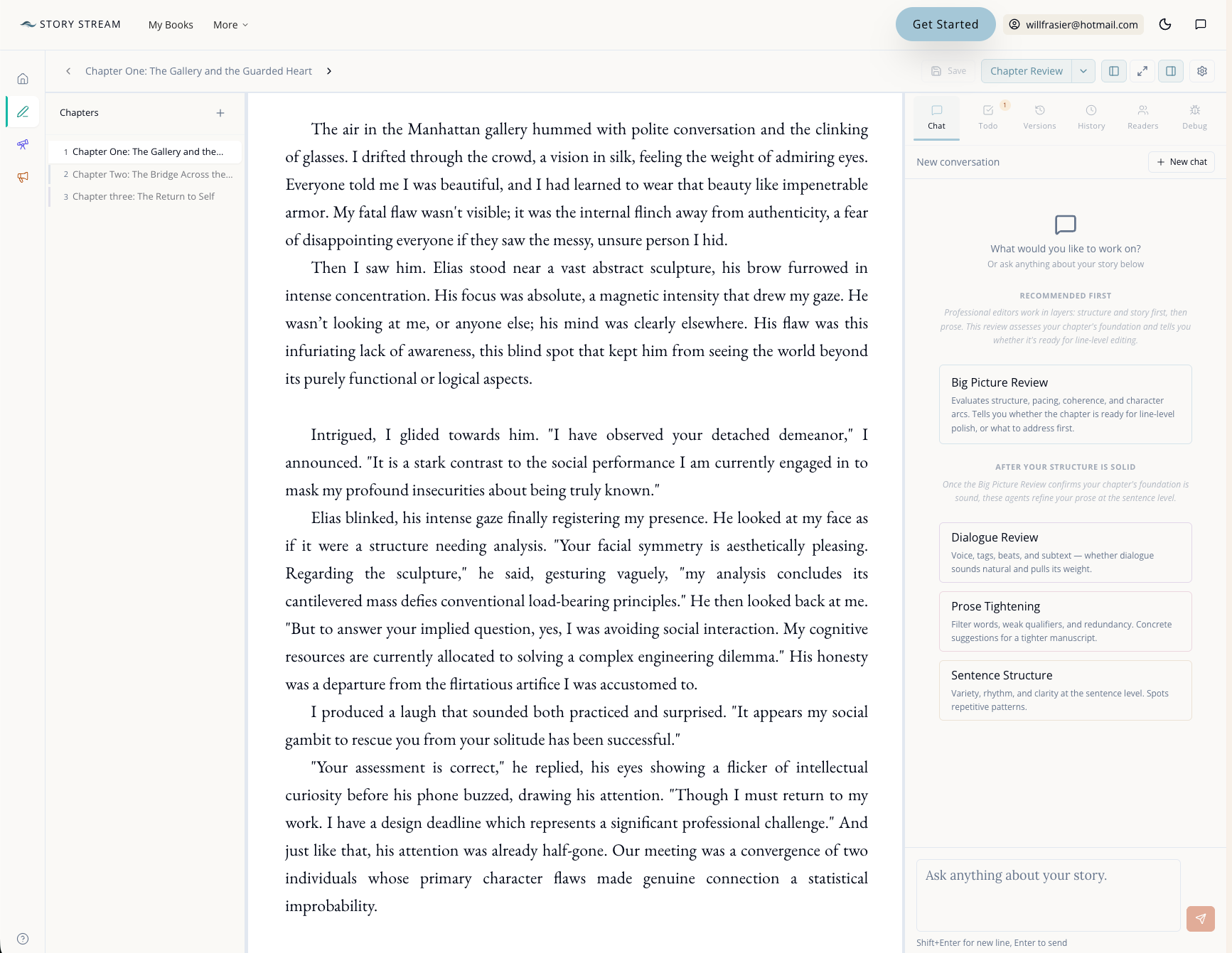
Introducing Manuscript: An Editor Beside You As You Write
Story Stream Manuscript brings our deep narrative model into the writing surface. Get chapter reviews, craft reviews, beta readers, writing coaching, voice read-aloud, and a revision checklist while you write, with editorial feedback grounded in the story you've actually written.

The Villain as Narrator: Why the Best Antagonists Stop Being "Evil" and Start Being Right
A deep dive into why modern villains like Amy Dunne aren't defined by evil, but by logic. Explore how the most compelling antagonists become terrifying when they start making sense.
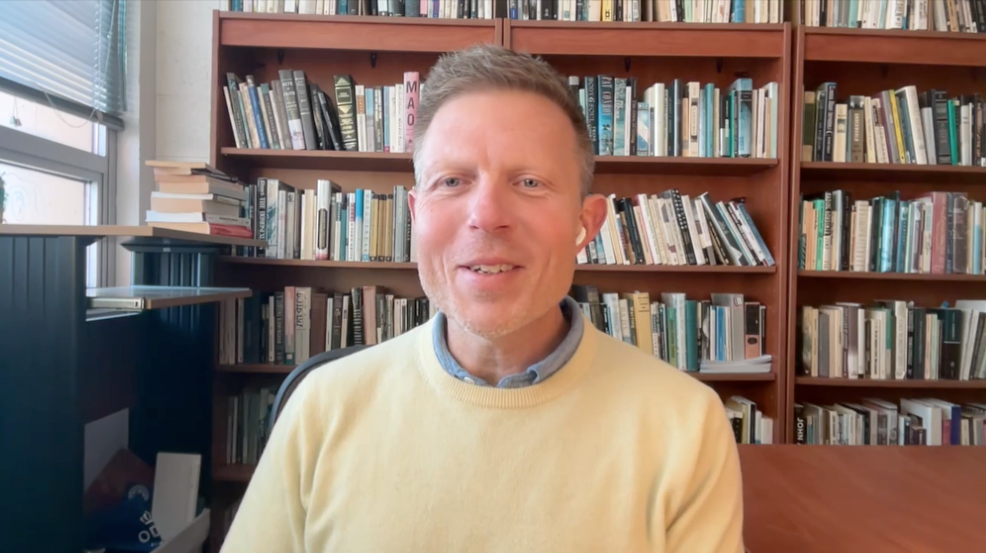
Interview with John McManus: AI, Storytelling, and the Future of Creative Writing
Acclaimed Southern Gothic writer and Whiting Award winner John McManus shares his optimistic vision for the future of storytelling. From democratizing creative tools to the emergence of new narrative forms, discover why artists have nothing to fear from AI.
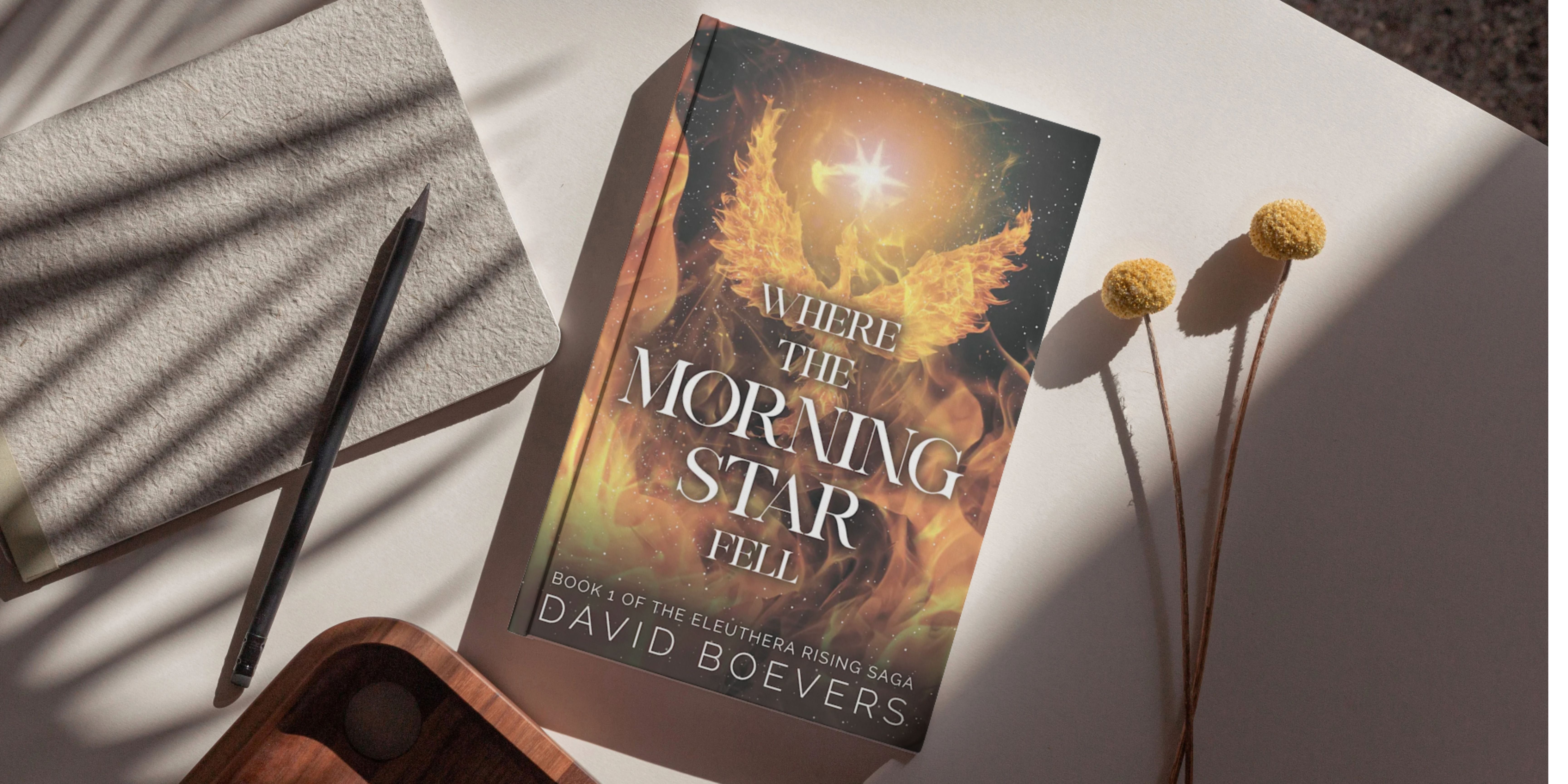
Interview with David Boevers, Author of Where the Morning Star Fell
Sci-fi author and educator David Boevers shares how Story Stream helps him revise with precision, purpose, and limited writing time. Discover his process, his Eleuthera universe, and how the Chapter Analyzer keeps his revisions on track.

7 Myths About First Drafts That Are Holding You Back
Let go of perfectionism and embrace the messy truth of first drafts. Discover the 7 common myths that keep writers stuck—and the truths that set you free to create boldly, imperfectly, and authentically.

Meet Jessica James: A Story Stream Success Story
Award-winning author Jessica James shares how Story Stream helped her deepen a dual-era historical mystery, uncover fresh ideas, and return to her creative rhythm.